
The Secret to Raising a Self-Motivated Athlete (That No One Talks About)
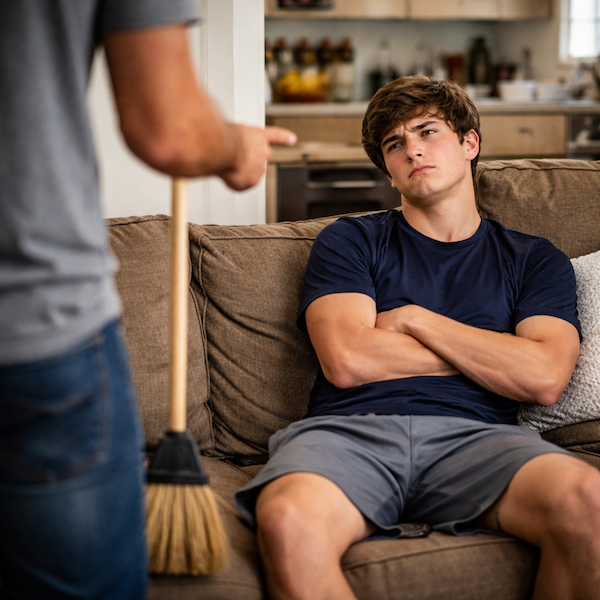
At SPMI, we often see a pattern that quietly shapes how young athletes experience their sport. On one side, the sporting world is demanding with early mornings, long practices, intense training sessions, and high-pressure competitions. Athletes are asked to push through fatigue, perform under stress, and constantly improve. On the other side, home life is often comfortable, predictable, and relatively low in responsibility beyond schoolwork. While this may seem supportive, this imbalance can unintentionally create a problem: sport begins to feel like the hardest part of a young athlete’s life.
When sport becomes the primary source of discomfort, it shifts from being a release to feeling like a burden. Instead of looking forward to practice as an outlet, athletes may begin to resist it, dread it, or mentally check out. This is not because they lack passion, but because their daily lives have not prepared them to handle consistent discomfort. In many ways, sport becomes “too heavy” relative to everything else in their world.
Parents play a critical role in reshaping this dynamic.
One of the most effective ways to build work ethic and drive is by introducing more responsibility into everyday life. This doesn’t mean overwhelming a child, but rather gradually increasing responsibility in a structured and supportive way. Simple, consistent chores such as making their bed daily, helping with dishes, managing their own laundry, or taking responsibility for organizing their school and sports gear can go a long way. These tasks teach discipline, accountability, and follow-through.
Equally important is consistency. Work ethic is not built in big moments, but in small daily habits. When responsibilities are non-negotiable and expected, children begin to develop a baseline tolerance for effort. Discomfort becomes normal, not something to avoid. Over time, this strengthens resilience providing them with the ability to push through challenges without emotional resistance.
Parents can also reframe effort as a positive identity. Instead of praising outcomes (“You played great”), emphasize effort and persistence (“I loved how hard you worked today”). This helps young athletes associate value with the process, not just results. When effort becomes part of who they are, they carry it into both home and sport environments.
Another powerful strategy is controlled exposure to discomfort. This could include setting small challenges such as completing tasks without reminders, waking up to an alarm independently, or finishing responsibilities before leisure activities. These moments teach delayed gratification and reinforce the idea that effort comes before reward.
As this shift occurs, something important happens: sport no longer stands alone as the most demanding part of life. Instead, it becomes one of many areas where effort is required. For many athletes, this actually makes sport feel lighter. Practice becomes a place to channel their built-up discipline and energy rather than a source of stress. It transforms into an outlet or a release from the structure and responsibility of daily life.
Ultimately, the goal is not to make life harder for the sake of it, but to better prepare young athletes for the realities of competitive sport and life. When parents intentionally build responsibility, consistency, and resilience at home, they help their children develop the mental toughness needed to thrive. And in doing so, they restore sport to what it should be: a challenge but also something to look forward to, enjoy, and grow through.
If you are interested in helping your athlete take on more responsibility and develop more resilience contact SPMI. For over 15 year, we’ve helped thousands of young athletes get on the right track to succeed in both sport and life.