
How Parents Accidentally Kill Confidence
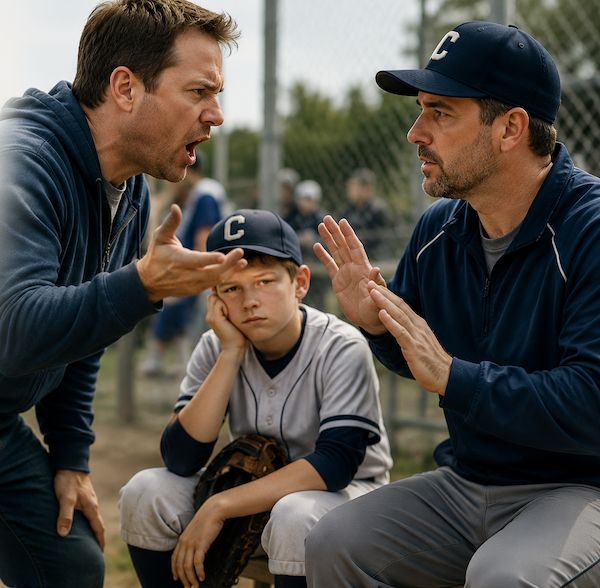
Every parent wants their child to be confident. They cheer from the sidelines, invest countless hours driving to practices and tournaments, and provide support in ways that often go unnoticed. Yet despite their best intentions, some common parent behaviors can unintentionally damage an athlete's confidence over time.
The challenge is that these behaviors usually come from a place of love, not harm. Parents want to help their athlete succeed, avoid mistakes, and reach their potential. However, when certain messages are repeated consistently, athletes can begin to doubt themselves, fear failure, and tie their self-worth to performance.
At SPMI, our mission extends beyond helping athletes build confidence and strengthen their mental game. We are equally committed to helping parents develop the skills and understanding needed to support their young athlete effectively.
By helping parents enhance their role, we can improve both athletic performance and the quality of the parent-athlete relationship. Our goal is to create an environment where athletes feel supported, understood, and empowered to thrive both in sports and in life and a major part of achieving that goal is by understanding what mistakes parents may be making under the radar.
One of those detrimental mistakes is accidentally lowering an athlete's confidence such as focusing too heavily on results. Imagine a young tennis player who wins three matches during a tournament but loses in the semifinals. If the first conversation afterward centers around the missed opportunities, double faults, or what could have been done differently, the athlete may begin to believe that success is never enough. Over time, they may start associating their value with wins and losses rather than effort, growth, and improvement.
Another example is excessive instruction before, during, or after competition. Consider a baseball player who hears reminders about mechanics before every at-bat or a soccer player who receives constant corrections from the sideline. While parents are often trying to help, athletes can interpret these messages as, "My parent doesn't trust me to figure it out." This can create hesitation, overthinking, and reduced confidence during competition.
Comparisons can be equally damaging. Statements such as, "Look how hard your teammate works," or, "Why can't you play like her?" may seem motivating on the surface, but they often create feelings of inadequacy. Confidence grows when athletes focus on their own journey, not when they constantly measure themselves against others.
Many parents also unintentionally communicate disappointment after losses. This may not be through words alone. Athletes are incredibly perceptive. A frustrated tone, silence during the ride home, or visible disappointment can send a powerful message. The athlete may begin to fear mistakes because they believe failure threatens the relationship or approval of the people they care about most.
Fortunately, there are solutions.
First, shift the focus from outcomes to process. Instead of asking, "Did you win?" ask questions such as, "What did you learn today?" or, "What were you proud of?" This helps athletes recognize growth and progress regardless of the final score.
Second, allow coaches to coach. Parents play a different role. Athletes benefit most when parents provide support, encouragement, and perspective rather than technical instruction. Trusting the process often builds more confidence than offering constant advice.
Third, celebrate effort, resilience, and courage. Praise athletes for stepping outside their comfort zone, responding well to adversity, and continuing to compete when things become difficult. These qualities are the foundation of long-term confidence.
Finally, make sure your athlete knows that your love and support are unconditional. The most confident athletes understand that a poor performance may affect the scoreboard, but it never affects their worth as a person.
Confidence is not built solely through victories. It is built through supportive environments where athletes feel trusted, valued, and encouraged to grow. When parents become aware of these subtle behaviors and make small adjustments, they can become one of the most powerful influences in helping their athlete develop lasting confidence.
If your athlete struggles with confidence, fear of failure, performance anxiety, or emotional control, SPMI offers a complimentary 15-minute consultation to help identify the root causes and create a personalized plan for improvement. Sometimes a few small adjustments can make a tremendous difference. We would be honored to discuss your athlete's situation and help turn one of their greatest challenges into one of their greatest strengths.