
How Athletes Can Have More Fun
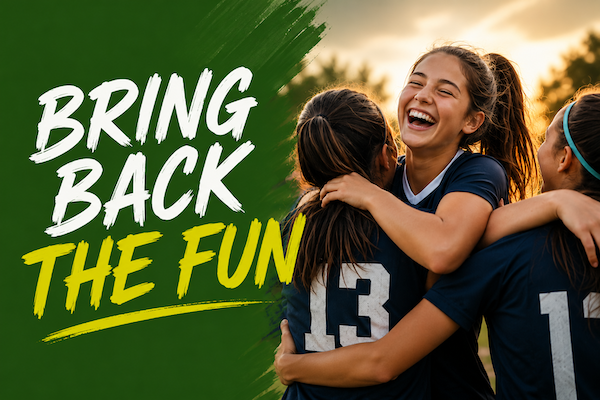
For many young athletes, sports begin with one simple goal: having fun. They play because they love competing, learning, and spending time with teammates. Yet somewhere along the journey, that joy often starts to disappear. Winning becomes everything. Mistakes feel catastrophic. Rankings, scholarships, social media, and expectations begin to outweigh the excitement of simply playing the game.
Ironically, the athletes who enjoy their sport the most often perform the best over the long term.
Research consistently shows that intrinsic motivation, playing because you genuinely enjoy the activity, is associated with greater persistence, improved performance, and lower rates of burnout. When athletes lose sight of why they started, confidence begins to depend on results rather than growth.
One of the most striking examples is Ashleigh Barty. Barty retired from professional tennis while ranked World No. 1 and still at the peak of her career. Although she loved the game, she spoke openly about feeling fulfilled and wanting a life beyond the relentless pressure of elite competition. Her decision reminded the sports world that success alone does not guarantee happiness.
While not every athlete experiences that level of pressure, many young competitors quietly battle similar challenges.
Why Sports Stop Being Fun
Several factors commonly steal the joy from athletics:
- Fear of making mistakes
- Constant comparisons to teammates or competitors
- Pressure to earn scholarships or professional opportunities
- Parents unintentionally tying praise to performance
- Coaches focusing exclusively on results
- Social media highlighting only victories and championships
When athletes begin believing their value depends on winning, every competition feels like a judgment of who they are rather than simply what they did.
That mindset creates performance anxiety, emotional exhaustion, and eventually burnout.
What Athletes Can Do
1. Redefine success.
Winning is an outcome. Success is giving your best effort, competing courageously, and improving over time. Athletes who define success by controllable behaviors enjoy sports far more than those who define success only by the scoreboard.
2. Focus on the process.
Instead of obsessing over results, concentrate on today's practice, your effort, preparation, attitude, and learning. The process is always within your control.
3. Give yourself permission to make mistakes.
Every elite athlete makes mistakes. Michael Jordan missed thousands of shots. Shohei Ohtani strikes out. Simone Biles falls. Mistakes are not signs of failure. They are evidence that you are competing at your limits.
4. Remember why you started.
Ask yourself:
"Would I still play this sport if nobody posted about it online and nobody kept score?"
If the answer is yes, reconnect with that feeling. That is where joy lives.
5. Create balance.
Your identity should never rest entirely on being an athlete. Spend time with family, friends, hobbies, faith, academics, or other interests. Ironically, athletes who have balance often compete with greater freedom because their entire identity is not riding on one performance.
What Parents Can Do
Parents have tremendous influence over whether sports remain enjoyable.
One of the best questions to ask after competition is not:
"Did you win?"
Instead ask:
"Did you have fun?"
Or even better:
"What did you learn today?"
These questions communicate that growth matters more than outcomes.
Parents can also help by:
- Praising effort, attitude, resilience, and sportsmanship more than statistics
- Allowing coaches to coach without adding additional pressure afterward
- Avoiding emotional reactions immediately after games or competitions
- Encouraging rest when signs of burnout appear
- Modeling that unconditional love never changes based on athletic performance
Children should never feel they have to earn their parents' approval through wins and championships.
Coaches Matter Too
The most successful coaches create challenging environments while still making athletes excited to return the next day.
High standards and enjoyment are not opposites.
In fact, athletes learn more, take healthy risks, and develop confidence when they know mistakes are treated as opportunities rather than failures.
A positive culture does not lower expectations. It raises them because athletes are willing to fully invest without constantly fearing criticism.
The Bottom Line
The goal of youth sports should never simply be producing better athletes.
It should be producing healthier, more confident, and more resilient people.
Ironically, when athletes genuinely enjoy their sport, they often perform better under pressure because they are playing with freedom instead of fear.
Parents, coaches, and athletes all play a role in creating that environment.
The greatest competitors do not just love winning.
They love competing.
And when the joy returns, confidence, resilience, and long term success often follow.
If your athlete struggles with confidence, performance anxiety, or burnout, mental training can help them rediscover both their enjoyment and their competitive edge. At SPMI, we help athletes develop the mindset to compete with confidence while maintaining a healthy relationship with their sport. Schedule a free 15 minute consultation to learn how mental performance training can make the game fun again.