
Helping Young Athletes Overcome Fear
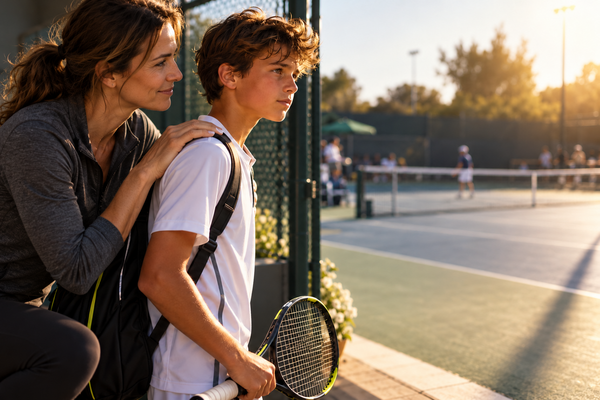
A young athlete looks confident in practice, then becomes hesitant when competition begins. Shots get shorter. Decisions take longer. The athlete who normally loves competing suddenly seems more concerned with avoiding mistakes than making plays. Parents may call it a confidence problem. Coaches may question effort. Often, fear is driving the change.
At SPMI, one of the greatest enemies we help athletes confront is fear. This invisible enemy can hinder performance and steal the joy that first brought a child into sports. Through mental training and parent education, we help families recognize how fear operates and learn practical ways to overcome it together.
How Fear Takes Hold
Young athletes are not always afraid of losing itself. They may fear embarrassment, disappointing a parent, upsetting a coach, losing playing time, or being judged by teammates. A missed opportunity can start to feel like evidence that they are inadequate.
Fear can develop after a painful loss, public criticism, injury, or repeated comparisons with other athletes. It can also grow quietly when children begin connecting their value with their results. Competition then becomes a test of whether they deserve approval.
An athlete caught in this pattern may play cautiously, overthink familiar skills, avoid challenges, or become frustrated quickly. Some seek constant reassurance. Others make excuses or say they no longer care. These behaviors deserve curiosity before criticism: what consequence is this athlete trying to avoid?
When Adults Strengthen Fear
Parents can unintentionally increase fear through sideline frustration, immediate criticism after competition, comparisons with siblings, or repeated reminders about money and sacrifices. Even without harsh words, visible disappointment and withdrawn affection can make a child feel that connection depends on performance.
Coaches can reinforce the same message through ridicule, threats, unpredictable reactions, or treating every mistake as unacceptable. When athletes expect humiliation, protecting themselves can become more important than competing freely.
Research supports taking these patterns seriously. In a small qualitative study involving three families, Sagar and Lavallee (2010) identified punitive behavior, controlling behavior, and high achievement expectations as potential contributors to adolescent athletes’ fear of failure. The limited sample does not establish that demanding parents inevitably create fearful athletes, but it highlights how children may experience adult reactions.
Helping Athletes Become Fearless
Becoming fearless means developing the ability to compete courageously while nerves are present. Athletes do not need to eliminate every uncomfortable feeling before they can perform well.
Parents can begin by making their support predictable. After competition, offer warmth before analysis. Try, “I loved watching you compete. Would you like to talk, or would you prefer some space?” Praise specific choices such as persistence, preparation, and willingness to attempt a difficult play. Make clear that the relationship remains secure after a disappointing result.
Coaches can maintain high standards while making mistakes useful. Replace “How could you miss that?” with a clear instruction for the next attempt. Recognize brave decisions even when execution falls short. Give athletes opportunities to practice pressure situations gradually, with feedback that helps them learn.
In a 2007 study, Smith, Smoll, and Cumming found that young basketball players whose coaches received training emphasizing mastery and improvement showed decreasing performance anxiety across the season. Players with untrained coaches showed increases. The findings support building an environment where progress matters alongside results.
Athletes also need skills they can practice. Start by naming the specific fear: “I am worried that everyone will think I am bad if I miss.” Then choose a controllable response, such as committing to a target or communicating with teammates. A simple reset routine can include a slow breath, relaxed shoulders, and one cue: “Next play.” Rehearse it during practice so it becomes familiar under pressure.
Progress also requires adults to manage their own emotions. Before offering feedback, ask whether your reaction will help the athlete approach the next challenge. Discuss expectations together, listen without interrupting, and agree on one practical change. Consistency across home and training gives athletes repeated opportunities to discover that mistakes are manageable and courage can grow through experience. These lessons can extend well beyond sports.
At SPMI, we help athletes build these mental skills while helping families support confidence, independence, and enjoyment. The aim is to help young athletes trust their preparation, respond constructively to mistakes, and keep competing with purpose.
Is fear holding your athlete back? Sign up for a free 15 minute SPMI consultation to discuss your athlete’s challenges and learn how mental training can help. Take the first step toward greater confidence and more joy in competition.